What Democracy Really Means and Why It Matters
Hello, friends! Have you ever sat quietly and wondered how the government of the country we live in actually works? How do we decide who makes our laws?
It’s not magic, and it’s not the order of a single king. All of this is possible because of a beautiful and powerful system we call democracy.
In today’s fast-moving world, where everyone has their own opinion, democracy is the thread that keeps us all together. In this detailed post, we’ll take a deep dive to understand what democracy really is, how it works, its good and bad sides, and why it’s as essential as breathing. Let’s begin this interesting journey!
What is democracy?
If I asked you straight up, “What is democracy?” you’d probably think of voting machines or elections. And you’d be absolutely right! But the roots go much deeper.
The word ‘democracy’ comes from two Greek words: ‘demos’ meaning ‘people,’ and ‘kratos,’ meaning ‘rule’ or ‘power.’ So, literally, democracy means “rules by the people.” It’s a system where power doesn’t sit with one dictator, the army, or a rich class. Instead, it rests in the hands of ordinary citizens.
A simple and Powerful Definition
When talking about the definition of democracy, how can anyone forget the famous words of Abraham Lincoln, the 16th president of America? He said:
‘Democracy is government of the people, by the people, for the people.’
In this one line lives the soul of democracy. It simply means that the people are the ones who form the government, the people who run it are chosen from among us, and whatever they do must be for our good.
Understanding with a simple example.
Imagine you’re in a group of 10 friends and you all have to decide what to order for dinner tonight.
- One way: the strongest person in the group says, “Tonight, only pizza will come.” That’s dictatorship.
- Another Way: You all vote. Six people raise their hands for biryani and four for pizza. Since the majority wants biryani, you order biryani. That’s democracy!
In this system, every friend’s opinion has equal value: one person, one vote.
The 4 Main Pillars of Democracy
No big building can stand without strong pillars. In the same way, a successful democracy doesn’t float in the air. It rests on four very strong pillars. If even one becomes weak, the whole system can shake. Let’s understand them.
Legislature and Executive
1. Legislature (Lawmakers): This is like the factory that makes laws. The Parliament and state assemblies are part of it in our country. The people we choose to lead the country sit here and make rules and laws.
2. Executive (Implementers): Laws are passed, but who makes sure they are followed? That’s what the executive does. This includes everyone from the president and prime minister to police officers and government workers. Their job is to make sure that the country follows the laws that the legislature makes.

Judiciary and Media
3. Judiciary (Courts): What happens if someone breaks the law or two people get into a fight? This is where the courts come in. The Supreme Court, high courts, and lower courts make sure that justice is done. They also look to see if the government is breaking the law.
4. Media (The Fourth Pillar): This is what people call the “watchdog of democracy.” News channels, newspapers, and social media sites like Facebook and Twitter make sure people get the right information. The media’s main job is to tell people what the government is doing and ask it tough questions.
Main Type of Democracy
Do all democracies around the world work the same way? Not at all! Based on a country’s population size, it is mainly divided into two types.
Direct and Indirect Democracy
- Direct Democracy: This is a system where every citizen directly takes part in making laws. There are no representatives. Whenever a new rule is needed, all citizens gather and vote. This is only possible in very small countries or regions, like some cantons (states) of Switzerland.
- Indirect or Representative Democracy: Now imagine a country like India, with 1.4 billion people. Can we all sit together and make daily laws? Impossible! So we use representative democracy. We vote in elections to choose MPs or MLAs, and they sit in parliament and make decisions on our behalf. India, the US, and the UK are great examples.
Key Features of Democracy
Democracy shouldn’t just be in name. Many countries call themselves democratic, but in reality, their elections are rigged. A true democracy is recognized by its special features.
- Free and Fair Elections: This is the heartbeat of democracy. Elections must happen at fixed intervals without fear, pressure, or the lure of money. The losing party must peacefully hand over power.
- Fundamental Rights: In a democracy, every citizen gets certain basic rights, like freedom of speech, freedom to follow their religion, and the freedom to protest peacefully. The government cannot take away these rights arbitrarily.
Global governance systems (estimated distribution)
This chart shows how many countries around the world are under full democracy, flawed democracy, or authoritarian (dictatorial) rule. It emphasizes that full democracy is still a rare thing in the world.

Advantages and disadvantages of democracy
Every coin has two sides. Although democracy is considered the best system of government, it’s not completely without flaws. Let’s be fair to both sides.
| Advantage of Democracy | Challenges of Democracy |
| Equality: A poor farmer and the richest person in the country—both their votes have equal value (one vote each). | Slow Decisions: Because you have to debate and consult many people, decisions take time. |
| Chances to Correct Mistakes: If the public elected the wrong government, they can remove it and fix their mistake in the next election. | Corruption: The election process is often very expensive, which encourages political corruption. |
| Prevents Conflict: In diverse countries, this is the best way to resolve disputes through dialogue. | Populist Politics: Leaders often make promises just to win elections, but those promises can harm the country’s economy in the long run. |
India: The World’s Largest Democracy
Whenever democracy is discussed in the world, India’s name comes at the top. We are not just a country; we are a grand festival of democracy. Since its independence in 1947, despite many challenges like poverty and illiteracy, India has strongly held onto democracy.
Our unity in diversity is our biggest strength. Despite so many languages, religions, castes, and cultures, on election day, the whole country stands in one line and celebrates this festival of democracy. The work of the Indian Election Commission is a case study for the entire world.
Current challenges facing democracy
Today, in the 21st century, some new and dangerous enemies have emerged in front of democracy. While the internet and social media have given us a voice, fake news and misleading information have also started influencing elections. Rising polarization in society, where people are completely unwilling to listen to opposing views, is a serious threat. Moreover, the increasing influence of money and muscle power in politics prevents ordinary, honest citizens from contesting elections. We need to become more aware and responsible citizens to tackle these challenges.
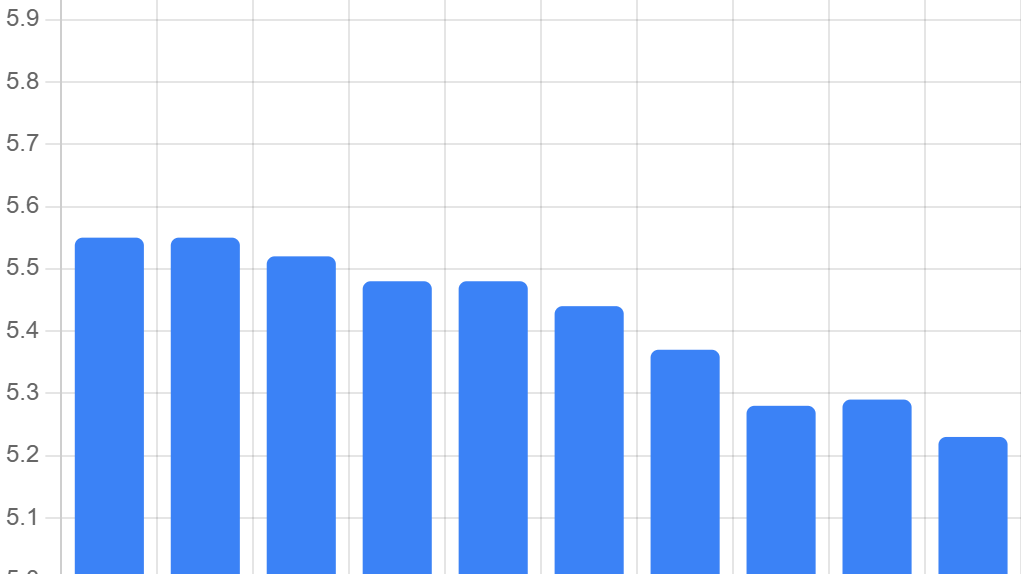
Global Democracy Index Trends (Last 10 Years)
This bar chart shows how democracies around the world have performed on average over the last ten years. The scores have gone down a little bit in the last few years, which backs up what we said in our article about the “current challenges” (fake news and polarization)

Conclusion (Summary)
So, friends, after this whole discussion, what can we say? Winston Churchill once joked, “Democracy is the worst form of government, except for all the others that have been tried from time to time.”
This means democracy isn’t perfect; it has flaws. But compared to a dictatorship, monarchy, or military rule, it is the best invention for humanity so far.
Democracy is not something that, once achieved, stays forever. It is like a plant that every citizen must water daily with their awareness, their vote, and by asking the right questions. Remember, democracy is only successful when you and I actively take part in it. So next time there’s an election, don’t go on a holiday. Step out of your home and cast your vote!
Frequently Asked Questions (FAQs)
Why is democracy considered the best form of government?
Because it respects individual freedom, promotes equality, allows people to correct mistakes by changing leaders, and prevents violent conflicts by encouraging dialogue.
What is the difference between direct and indirect democracy?
In direct democracy, citizens vote on every law themselves. In indirect or representative democracy, citizens elect representatives who make laws on their behalf.
What are the four main pillars of democracy?
The four main pillars are the legislature (makes laws), executive (implements laws), judiciary (ensures justice), and media (acts as a watchdog).
What is the biggest challenge for democracy today?
Some of the biggest challenges include fake news on social media, political corruption, growing polarization (hatred between opposing groups), and the influence of money in elections.
How is democracy different from dictatorship?
In a democracy, power belongs to the people. Leaders are chosen through free and fair elections, and they can be voted out. Citizens enjoy basic rights like free speech. In a dictatorship, one person or a small group holds all power. Citizens have no choice in leaders, elections are fake or nonexistent, and speaking against the ruler can be dangerous or even illegal.
Which is better – democracy or dictatorship? Why?
Most people think that democracy is better for long-term peace and happiness. It lets people fix their mistakes, protects their freedom, and deals with differences through conversation. Dictatorship may seem like a faster way to make decisions, but it often leads to violence, fear, and corruption. Winston Churchill once said, “Democracy is the worst form of government, except for all the others that have been tried.”
Can a dictatorship become a democracy?
Yes, it has happened in places like Germany (after World War II), Spain, and South Africa. People usually want change by protesting, putting pressure on other countries, or making changes within their own country. But the change is often hard and takes a long time. The key to a successful democracy is a strong, aware, and united public.